
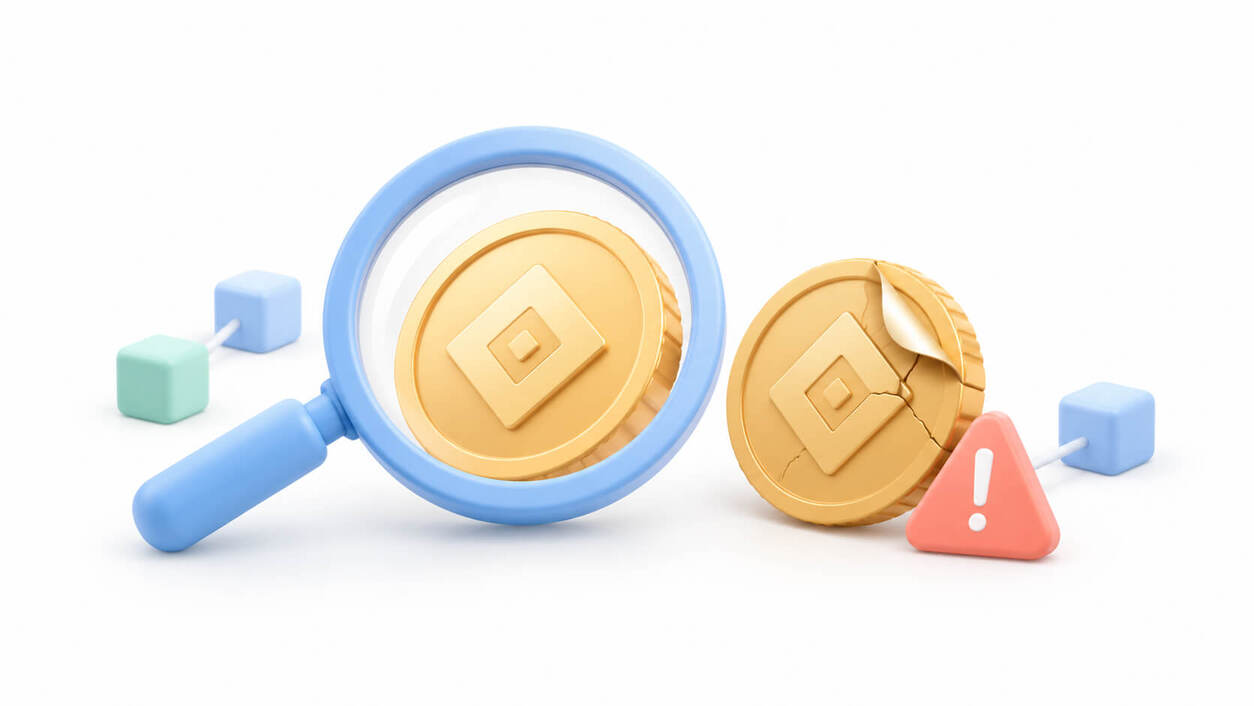
To spot a fake crypto token before swapping, verify its blockchain and full contract address, investigate trading warnings, and review liquidity, ownership, and transaction permissions. A familiar name, copied logo, or rising price is not enough to establish legitimacy. Scammers can imitate an existing token or create a new one […]
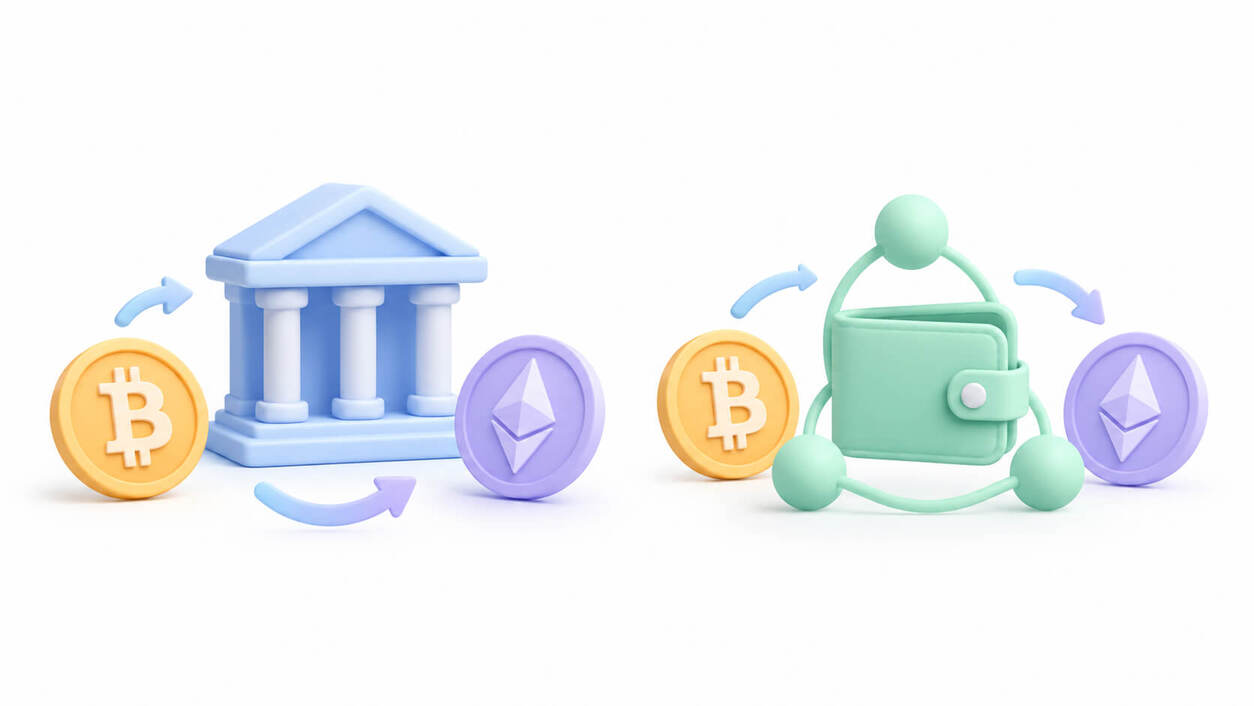
DEX vs. CEX: Where Should You Swap Your Crypto?
A centralized exchange (CEX) typically holds your crypto in an account and executes trades through its own systems. A decentralized exchange (DEX) lets you trade through blockchain-based software, usually from a wallet you control. The main difference is custody: who controls the assets and authorizes their movement. That choice also […]
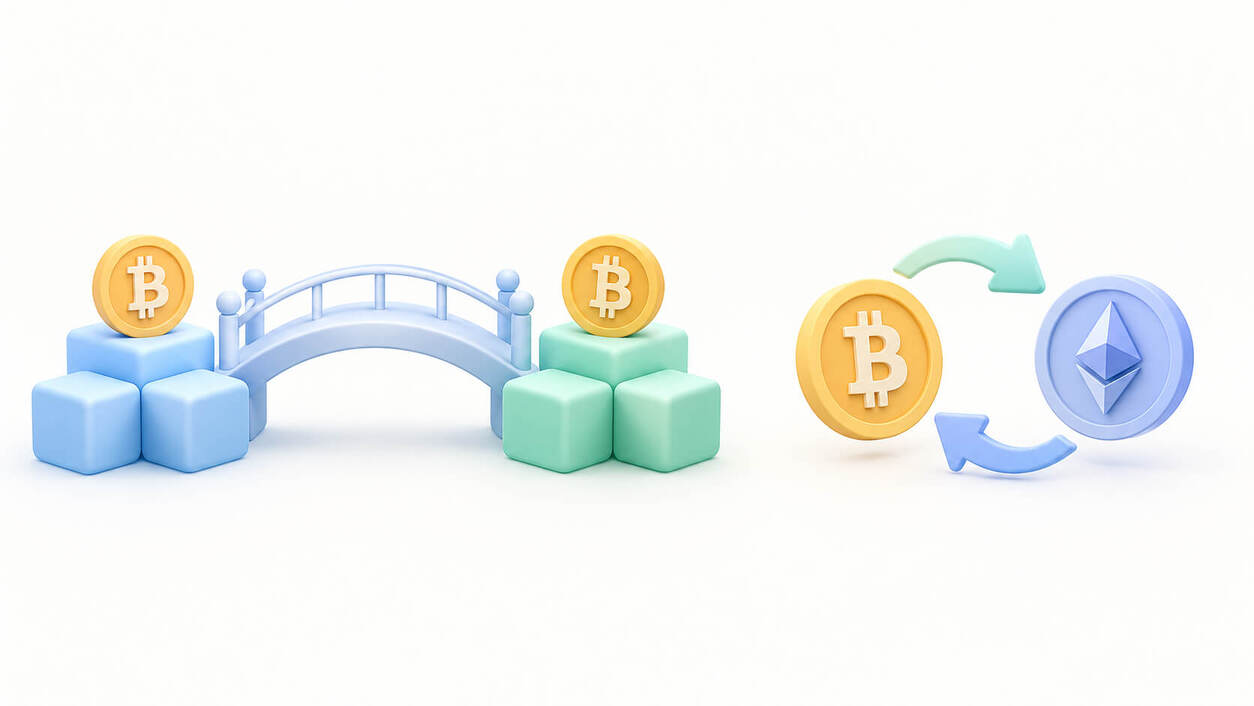
Crypto Bridges vs. Cross-Chain Swaps: What’s the Difference?
A crypto bridge moves an asset’s value between blockchains, usually preserving exposure to the original asset. A cross-chain swap exchanges one cryptocurrency for another across different blockchains. For example, moving USDC from Ethereum to another supported network is bridging. Exchanging native Bitcoin (BTC) for native Ether (ETH) is a cross-chain […]
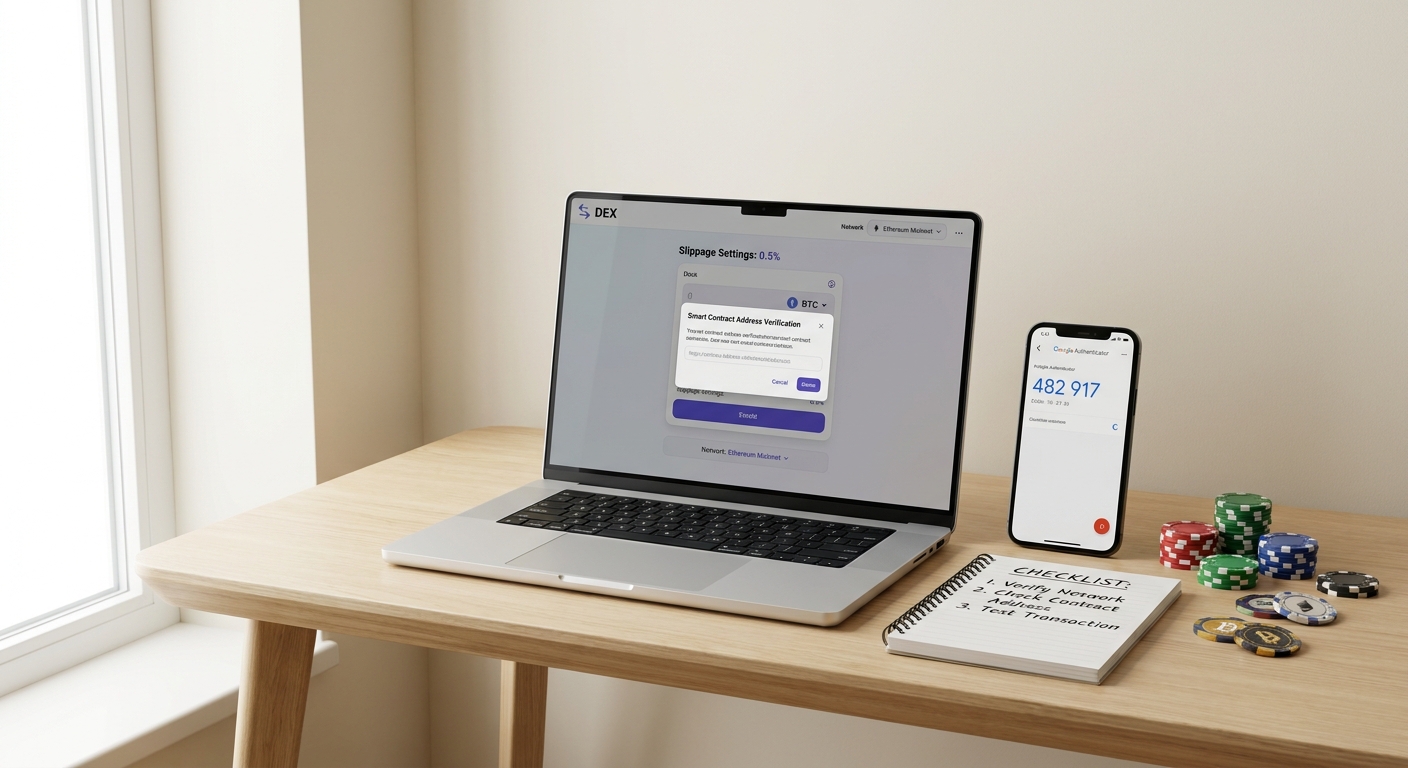
12 Common Crypto-Swapping Mistakes and How to Avoid Them
Crypto swaps are one of the fastest ways to move between assets, but a single mistake can cost you hundreds or thousands of dollars—and many of those losses are entirely preventable. From sending tokens to the wrong blockchain to approving unlimited contract access, the errors that trip up crypto users follow predictable patterns. This guide walks through 12 common crypto swapper mistakes and shows you exactly how to avoid each one, whether you’re a beginner making your first swap or an intermediate user managing larger positions.
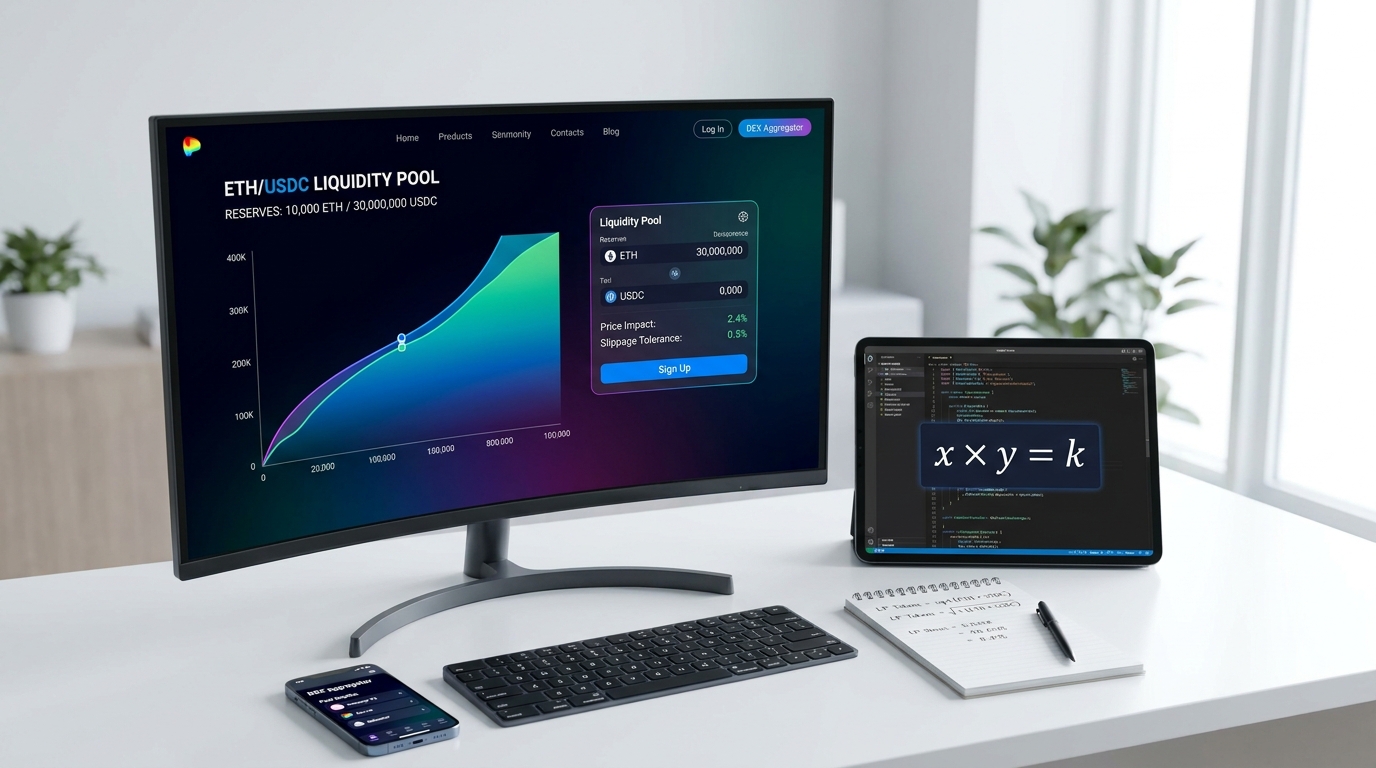
Understanding Liquidity Pools and Slippage in Decentralized Swaps
When you swap tokens on a decentralized exchange (DEX), the price you see quoted is rarely the price you actually pay. This gap between expectation and reality—called slippage—occurs because DEXs don’t use traditional order books. Instead, they rely on liquidity pools: reserves of token pairs locked in smart contracts that automatically price trades based on mathematical formulas. Understanding how these pools work, how they determine prices, and why slippage emerges is essential for anyone trading on decentralized platforms. The relationship between pool depth, the automated market maker (AMM) algorithm, and slippage determines not only your final execution price but also whether a swap should happen at all.
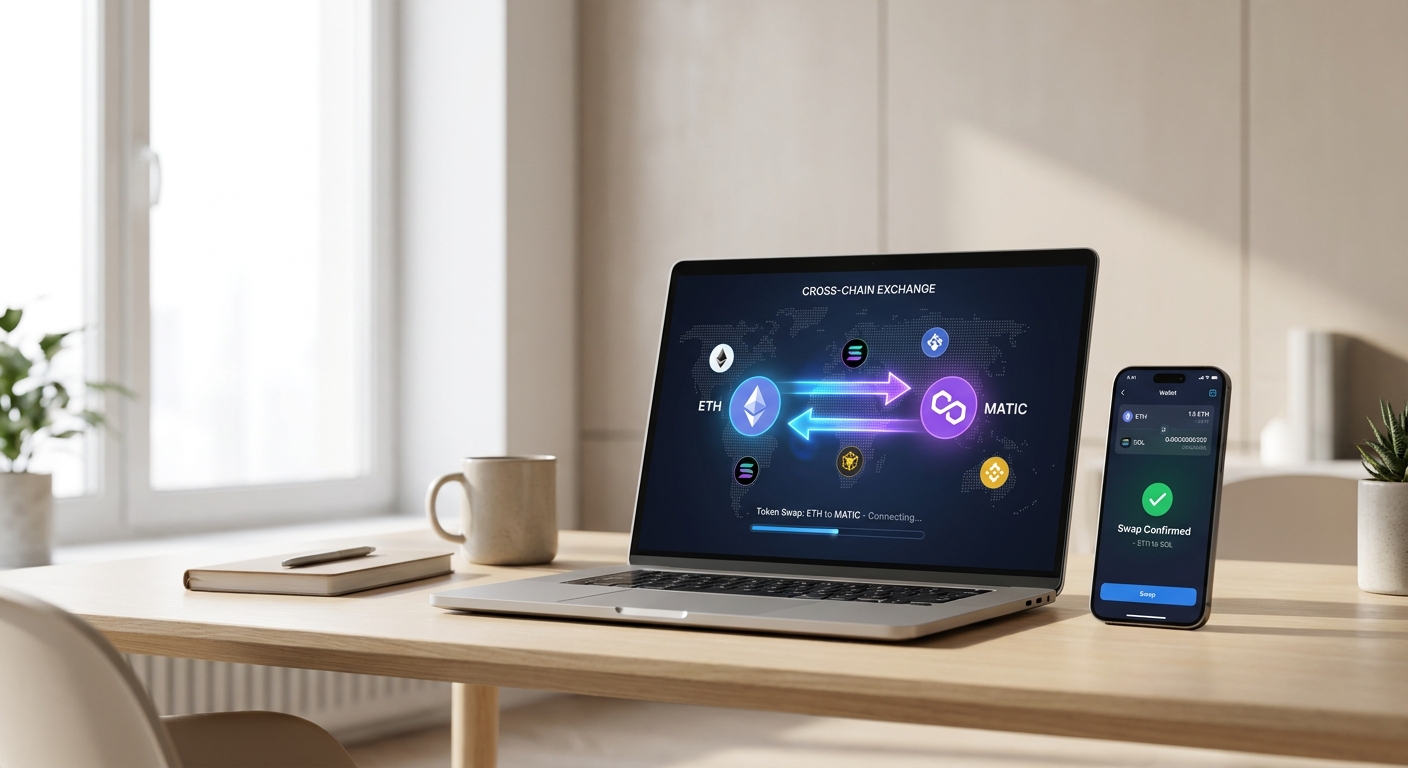
Cross-Chain Crypto Swaps Explained: Benefits, Risks and Alternatives
A cross-chain crypto swap is a transaction that exchanges one asset on one blockchain for another asset on a different blockchain, all without requiring a centralized intermediary to custody your funds. This article breaks down how cross-chain swaps work, why traders use them, the real risks you need to understand, and when you should use alternatives instead—bridges or centralized exchanges—depending on your specific needs.
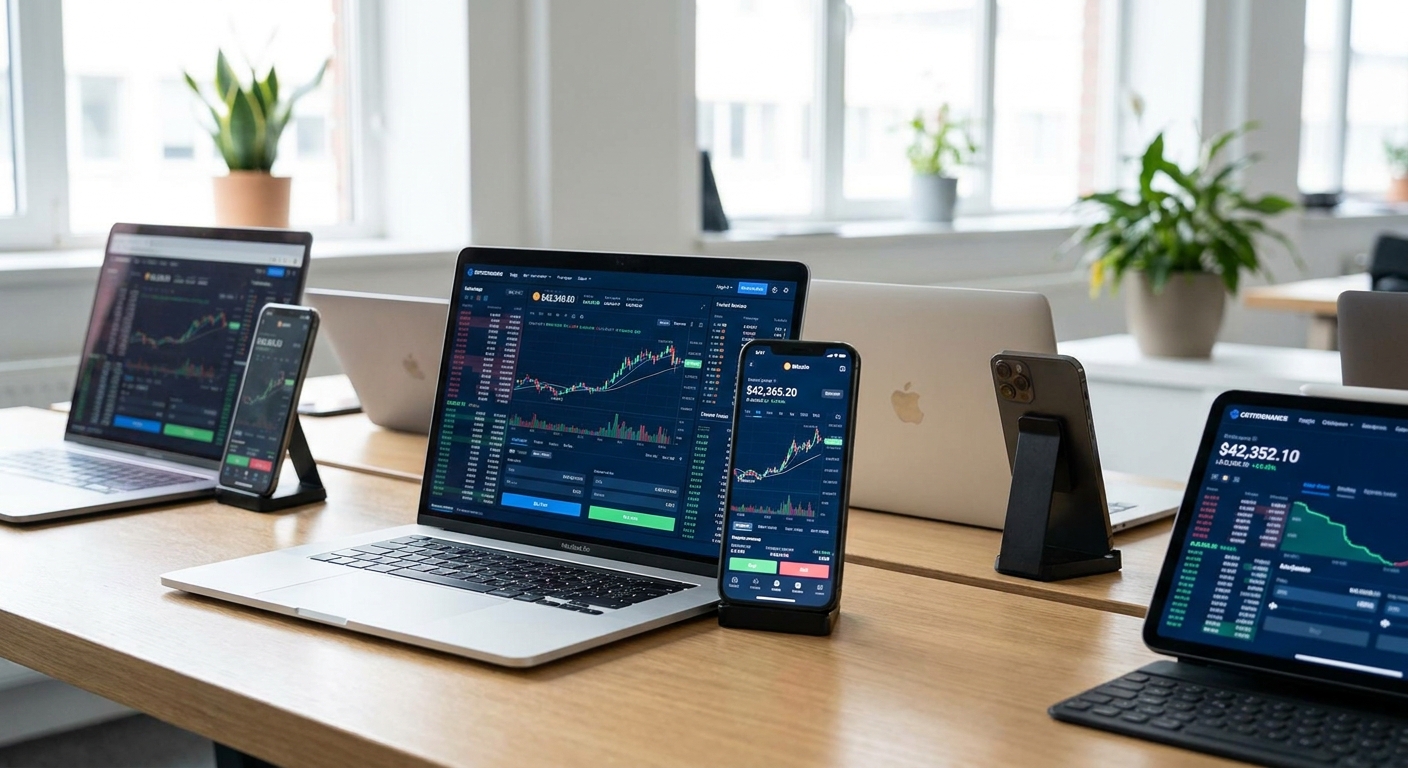
Why the Same Crypto Can Have Different Prices on Different Exchanges
Every day, millions of traders and investors check crypto prices across multiple exchanges and notice something strange: the same Bitcoin, Ethereum, or altcoin shows a different price on Coinbase than on Kraken, Binance, or a smaller regional venue. This is not an error—it is a fundamental feature of how cryptocurrency markets work. Unlike traditional stock exchanges that operate through centralized clearing houses, the crypto market is fragmented across dozens of independent platforms, each running its own order book and price discovery mechanism. Understanding why these gaps exist, how large they can grow, and what actually matters for your trading decisions is essential whether you are a casual buyer, an active trader, or someone hunting for arbitrage opportunities.
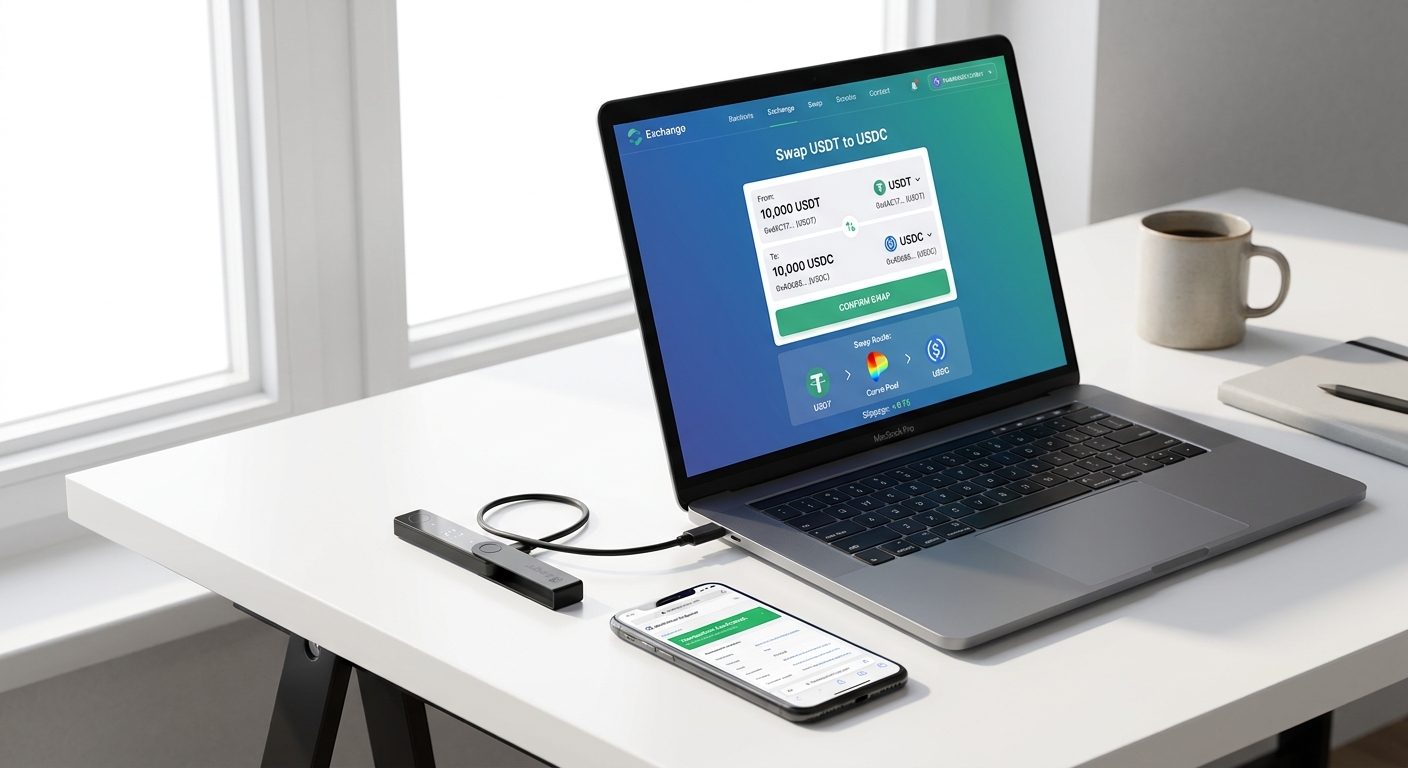
How to Swap Stablecoins Safely: USDT, USDC and Other Dollar Tokens
Stablecoin swaps are one of the most frequent operations in crypto, yet many users execute them incorrectly—often at unnecessary cost or with hidden custody and contract risks. Whether you’re converting USDT to USDC, moving stablecoins across chains, or routing through a decentralized exchange, the method you choose and the safety checks you perform directly affect your outcome.
What Happens Behind the Scenes When You Swap Crypto?
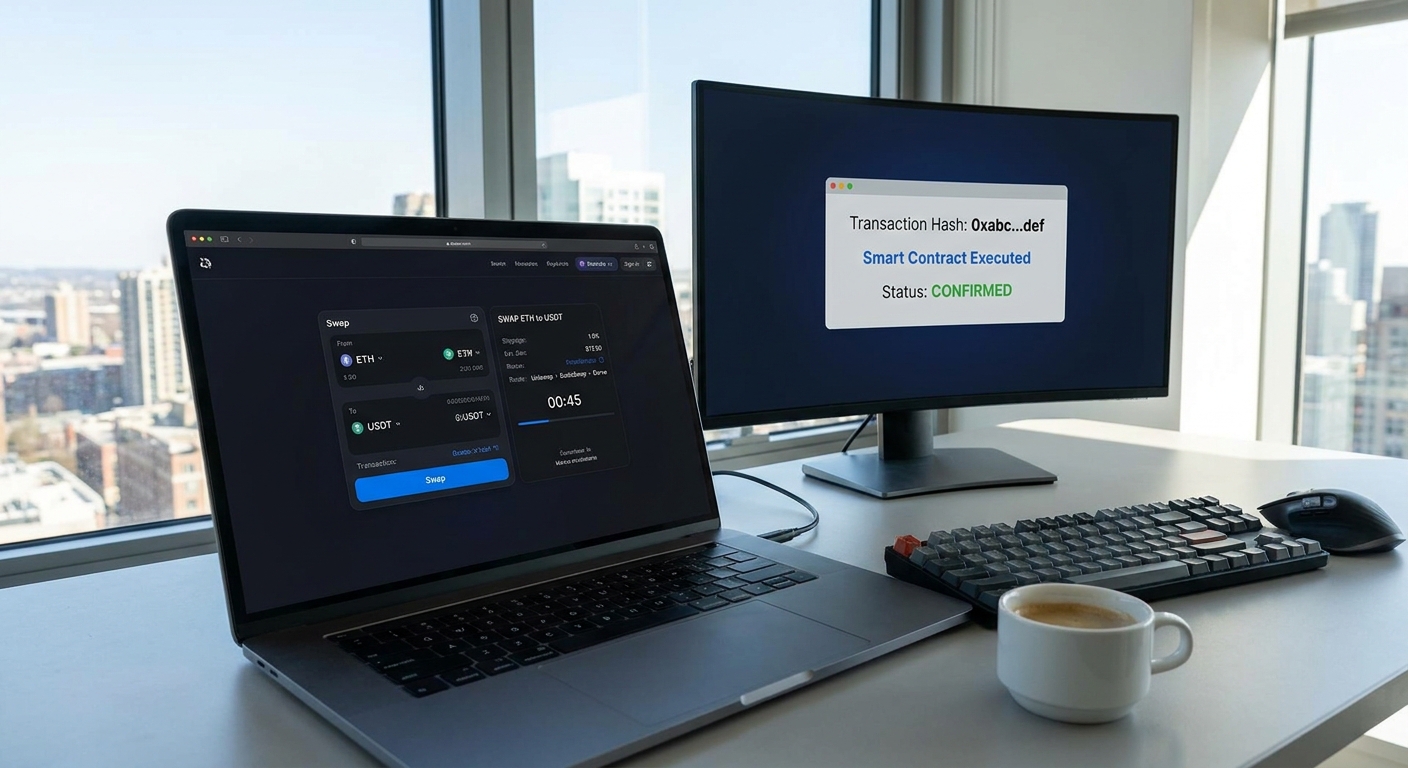
Every time you tap “swap” on a cryptocurrency exchange or decentralized platform, dozens of invisible systems spring into action simultaneously. Your simple click triggers a complex chain of events—price lookups, liquidity searches, smart contract executions, and settlement confirmations—that unfold in milliseconds or minutes depending on the assets and chains involved. Understanding what happens behind the scenes transforms you from a passive user into someone who can read swap quotes like an expert, spot risks before they cost you money, and make informed decisions about which platform and route best serve your trade.